The Practical Roadmap to Streamlined IFTA Reporting: A Checklist for Tracking Miles by State
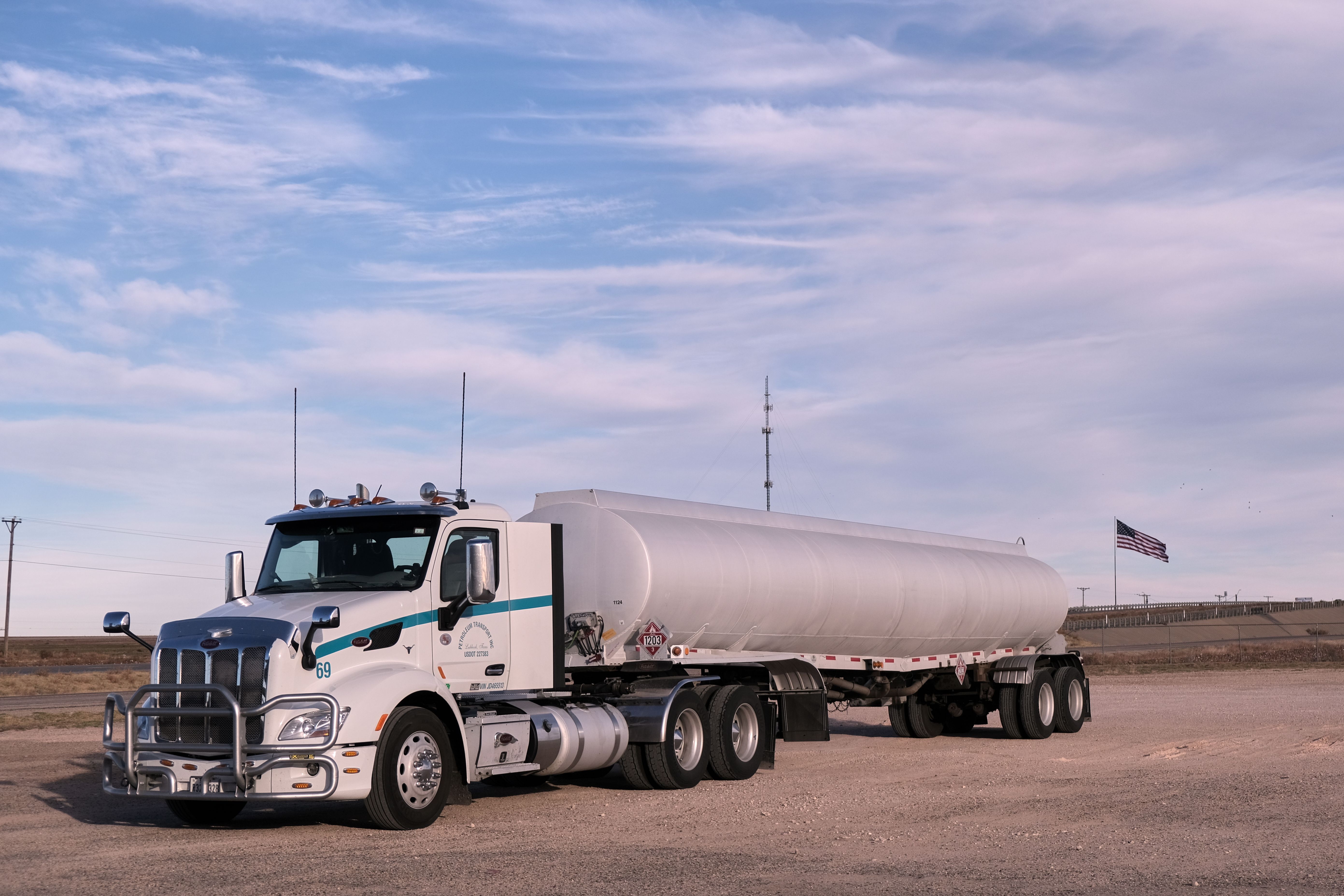
Transitioning from an owner-operator to managing a small fleet brings its own set of challenges and complexities. One of the key metrics that fleet managers need to keep an eye on is IFTA miles by state. Accurately capturing this data can help facilitate smoother IFTA reporting, spot unprofitable loads in advance, and ultimately avoid end-of-quarter chaos.
Minimizing End-of-Quarter Chaos with Systematic State Mileage Tracking
One of the main ways to prevent last-minute scrambling is to incorporate systematic state mileage tracking into your daily operations. Using a reliable dispatch board, such as VivaFleet's Fleet Management Software, can aid in accurate tracking and simplify your IFTA reporting process. The software allows you to manage driver/truck/trailer assignments, log delivery stops, and map routes accurately to capture every mile driven across state lines.
It's equally crucial to focus on dollars-per-mile—a metric that helps identify unprofitable loads. By closely monitoring this metric through a robust analytics module, managers can make informed decisions and adjust assignments as needed to boost profitability.
Your Checklist for Successful IFTA Miles by State Tracking
- Implement a reliable dispatch board for comprehensive fleet management.
- Meticulously record delivery stops and map routes to capture all miles driven.
- Analyze dollars-per-mile regularly to spot any unprofitable loads quickly.
- Maintain regular checks on the data accuracy of your state mileage tracking.
Frequently Asked Questions
Q: What role does a dispatch board play in IFTA miles by state tracking? A: A reliable dispatch board provides a centralized platform for logging all necessary data, including individual trip details and miles driven across different states. This ensures accurate IFTA reporting.
Q: How can analyzing dollars-per-mile help spot unprofitable loads? A: Evaluating this metric gives insights into the profitability of each load. If a particular route or assignment consistently registers low dollars-per-mile, it might be an indication that the load isn't profitable in the long run.
Related posts