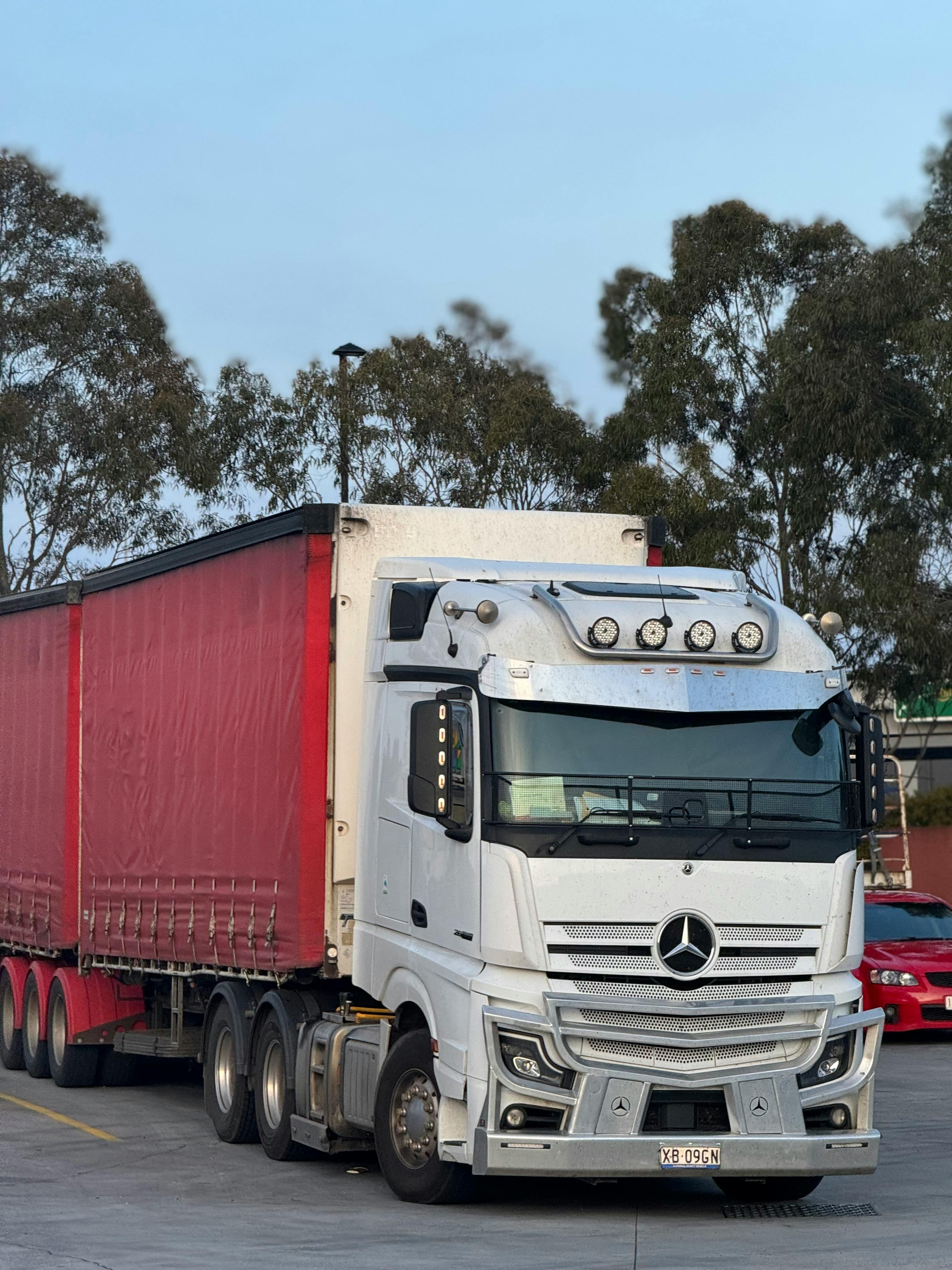
Empowering Your Dispatch Shifts: Steps to Implement a Standardized Dispatch Process

Dispatching in the trucking industry can be a complex task, especially with multiple dispatchers across different shifts. How do you ensure consistency, minimize empty miles, and reduce last-minute changes? The answer lies in developing and implementing solid dispatch SOPs (Standard Operating Procedures). This guide will show you how.
Developing Repeatable Dispatch Processes
The first step is creating a dispatcher checklist. This list should include all the routine tasks a dispatcher needs to complete during their shift. It can range from checking the dispatch board status, managing driver/truck/trailer assignments, to coordinating delivery stops. Every task must be detailed enough so that even a new dispatcher can follow it without any confusion. Utilize vivaFleet's role-based access to assign specific tasks to your dispatchers based on their skills and experience.
Next, integrate your standard process within your fleet management software. Take full advantage of vivafleet's dispatch board features for real-time updates and visibility. By doing so, you ensure that every dispatcher has access to up-to-date information regardless of their shift timing.
Your Checklist for Maintaining Standards
- Prioritize loads based on delivery deadlines and available resources.
- Schedule regular reviews of your dispatcher checklist for ongoing optimization.
- Promote active communication among dispatchers across shifts.
- Leverage analytics to track the effectiveness of your standard procedures over time.
FAQs about Dispatch SOPs
Q: How can I reduce empty miles and deadhead? A: By implementing a standardized dispatch process, you can ensure that truck routes are scheduled efficiently. This optimizes your truck utilization and reduces the occurrence of empty miles or deadhead situations.
Q: What if my dispatcher checklist is not working as expected? A: It's important to remember that a dispatcher checklist is not a one-size-fits-all tool. You might need to regularly review and adjust it based on your fleet's unique needs and conditions.
By implementing these steps, you can create a standard dispatch process that ensures consistency across dispatchers and shifts. Remember, the best processes are those which continuously evolve with time and experience. Keep reviewing and updating your dispatch SOP for improved results over time.
Related posts